
Kurdistan's "Runaki" Project Eliminates 690,000 Tons of Toxic Emissions Annually
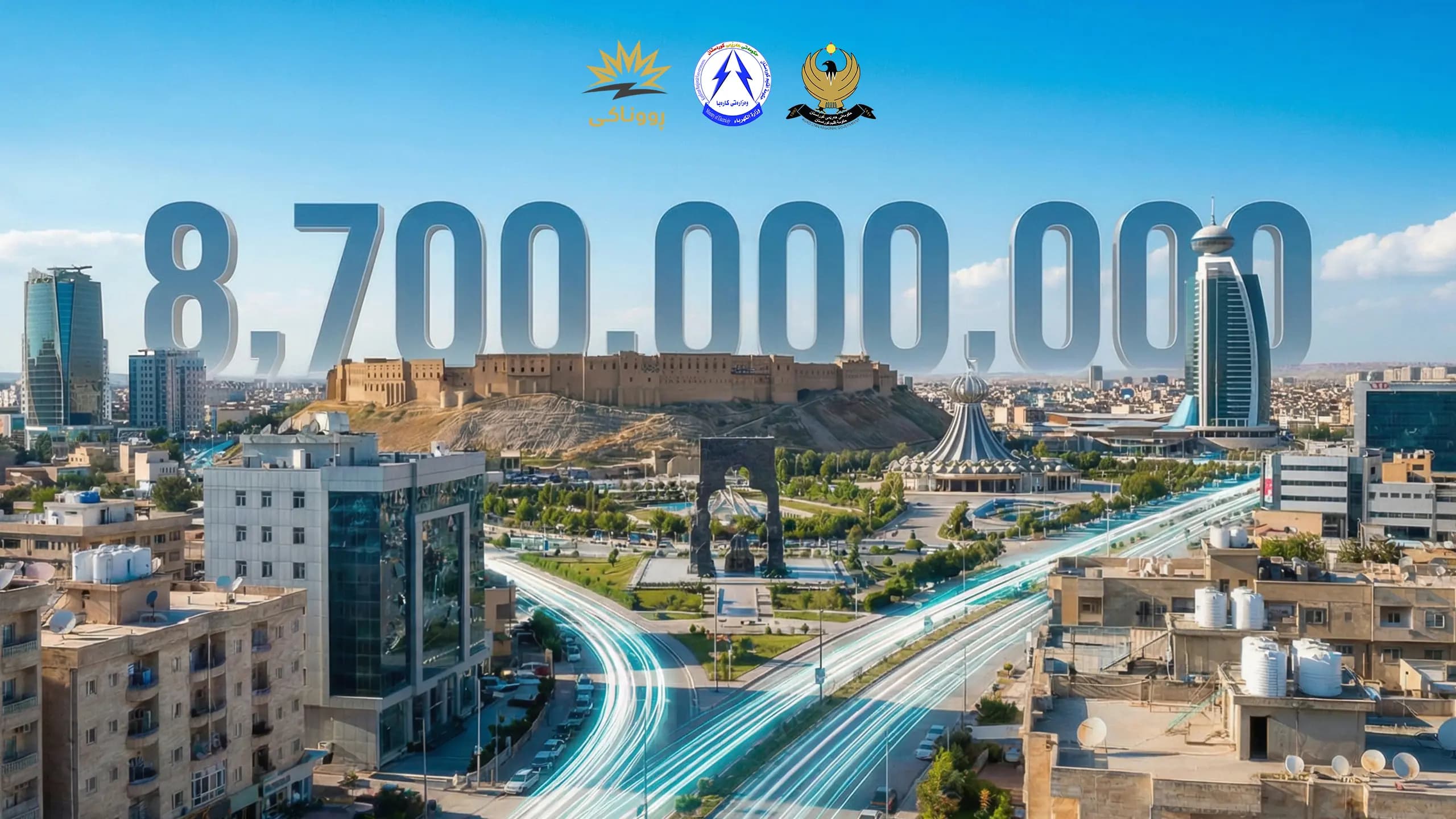
The Kurdistan Regional Government's ambitious "Runaki" electricity project — whose name means "light" in Kurdish — is delivering one of the most significant environmental and public service transformations in Iraq's modern history. Since its launch in November 2024 by Prime Minister Masrour Barzani, the project has already reduced toxic emissions by an estimated 690,000 tons per year, fundamentally changing how millions of people across the Kurdistan Region receive their electricity.
What Is the Runaki Project?
For decades, residents of the Kurdistan Region have relied on privately operated neighborhood diesel generators to supplement an unreliable public power grid. These generators, numbering in the thousands, have been a constant source of air pollution, noise pollution, and financial burden on households. The Runaki project aims to end this dependency entirely by upgrading the public electricity grid to deliver 24-hour uninterrupted power to every home by the end of 2026.
The initiative was unanimously approved by the Kurdistan Region's Council of Ministers on May 14, 2025, signaling broad political consensus behind the project's goals and implementation strategy.
Rapid Progress: 2.7 Million Citizens Already Benefiting
In just months since its launch, the Runaki project has achieved remarkable milestones:
- 2.7 million citizens — approximately 40% of the Kurdistan Region's population — are already receiving reliable, grid-supplied electricity around the clock.
- 2,517 neighborhood diesel generators have been permanently shut down, with plans to decommission more than 7,000 additional generators across the region.
- The project currently covers the three major provinces of Erbil, Duhok, and Sulaymaniyah, with Halabja province expected to be integrated by the end of 2025.
Erbil Governor Omed Khoshnaw confirmed that 1,400 generators have been shut down in the Erbil province alone, highlighting the pace at which the transition is taking place in the regional capital.
Environmental and Health Benefits
The environmental impact of the Runaki project cannot be overstated. The elimination of thousands of diesel generators has produced immediate, measurable improvements:
- Air quality: The reduction of 690,000 tons of toxic emissions annually means cleaner air for millions of residents, particularly in densely populated urban neighborhoods where generators previously operated around the clock.
- Noise pollution: Diesel generators are notoriously loud. Their removal has brought a noticeable improvement in quality of life, especially during nighttime hours.
- Public health: Reduced exposure to diesel exhaust — which contains particulate matter, nitrogen oxides, and other harmful pollutants — is expected to yield long-term health benefits for the population.
Part of a Broader Strategic Transformation
The Runaki project is not an isolated initiative. It forms a central pillar of the Kurdistan Regional Government's broader environmental and urban development strategy, which includes several complementary programs:
- Closure of urban oil refineries: Small, polluting refineries operating within city limits are being shut down to further improve air quality.
- New public parks and green spaces: Investments in urban greenery are being made across the region's cities.
- Erbil Green Belt: An ambitious environmental corridor stretching 78 kilometers and covering 66,115 donums (approximately 16,500 hectares) of land around the city of Erbil, designed to combat desertification, reduce dust storms, and create recreational areas for residents.
Protecting Low-Income Families
A key element of the Runaki project is its social dimension. The new electricity tariff structure, approved alongside the project, has been specifically designed to protect low-income families from excessive costs. Under the previous system, households often paid steep monthly fees to private generator operators on top of their regular electricity bills. The transition to reliable public power is expected to significantly reduce the overall cost of electricity for most families.
A Historic Undertaking
Officials have described the Runaki project as one of the largest public service projects in Iraq's history. Its combination of infrastructure modernization, environmental remediation, and social protection represents a comprehensive approach to a problem that has plagued the region for decades. If the project meets its 2026 target, the Kurdistan Region will become one of the few areas in Iraq — and indeed in the broader Middle East — to guarantee 24-hour public electricity to all households.