
Abu Dhabi Crown Prince Begins High-Level China Visit, Signaling Deepening Gulf-Asia Ties
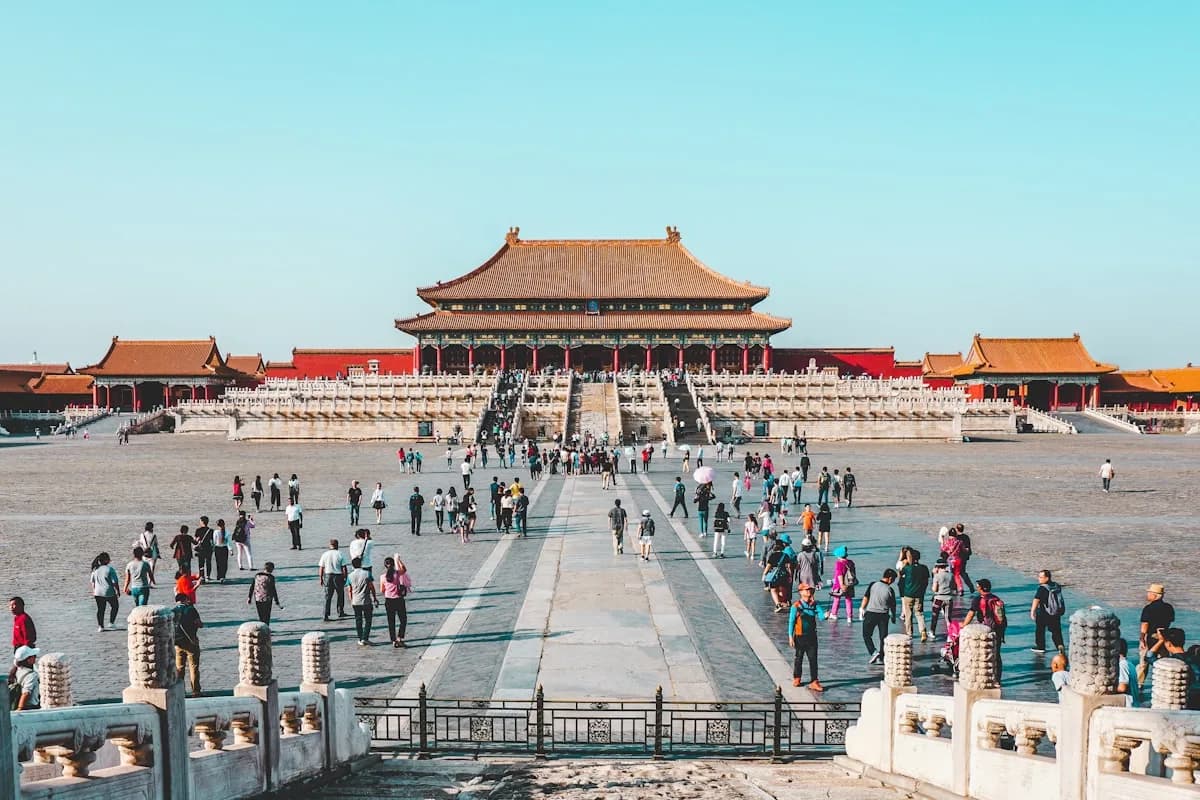
Sheikh Khaled bin Mohamed bin Zayed Al Nahyan, Crown Prince of Abu Dhabi, arrived in China on Sunday for an official visit aimed at deepening the comprehensive strategic partnership between the United Arab Emirates and China. The visit comes at a pivotal moment, as the Iran war and Strait of Hormuz crisis reshape energy markets and force Gulf states to diversify their economic and diplomatic relationships.
A Partnership Built on Trade
Bilateral trade between China and the UAE exceeded $101.8 billion in 2024, roughly 800 times the volume when diplomatic relations were first established in 1984. More than 15,000 Chinese companies now operate in the UAE, approximately double the number from 2019.
Key sectors under discussion include energy and renewables, artificial intelligence, digital economy, and infrastructure. Chinese contractors are playing a central role in the UAE's renewable energy ambitions, including partnerships on the world's largest Battery Energy Storage System (BESS).
What is the UAE-China Comprehensive Strategic Partnership?
The UAE and China elevated their relationship to a "Comprehensive Strategic Partnership" in 2018 during a state visit by President Xi Jinping. The framework encompasses cooperation across energy, trade, technology, defense, space exploration, and cultural exchange. It has served as a model for China's broader engagement with Gulf states.
The Geopolitical Context
The visit must be understood against intensifying U.S.-China competition in the Gulf. The UAE has carefully positioned itself as a partner to both powers, maintaining its security alliance with Washington while dramatically expanding economic ties with Beijing.
Implications for Kurdistan
The UAE has been an active investor in the Kurdistan Region, with Emirati companies involved in real estate, hospitality, and infrastructure in Hewler (Erbil). Stronger UAE-China ties could channel Chinese investment into Kurdistan via Emirati intermediaries. The broader Gulf pivot toward Asia will have lasting consequences for the political and economic landscape of the entire region, including Kurdistan.