
Both Sides Claim Victory in the Iran Ceasefire, Here's Why the Truce Will Likely Survive
A former Foreign Affairs editor argues that the "dollar auction" logic of escalation has trapped both the US and Iran into accepting a draw, and neither can afford to go back to war.
On April 8, 2026, the United States and Iran agreed to a two-week ceasefire, ending 40 days of conflict that killed thousands, shuttered the Strait of Hormuz, and sent oil prices soaring. Both sides immediately claimed victory. Trump declared Iran had "blinked." Tehran said it had "survived the American-Zionist war machine." In a Foreign Affairs analysis that cuts through the triumphalist rhetoric, Gideon Rose, the journal's former editor and author of How Wars End, argues that both are wrong. "In fact," he writes, "both decided to call it a draw."
Rose's central metaphor is the "dollar auction", a game theory concept developed by economist Martin Shubik in which two bidders compete for a dollar, with both required to pay their last bid regardless of who wins. Once bids exceed one dollar, neither player can rationally stop. Wars, Rose argues, operate on the same self-reinforcing logic of escalation. "By late March, when it was clear neither side would give in easily, the Iran war reached the inflection point and slipped into the red for everybody."
Why the ceasefire holds despite enormous gaps
The demands of each side remain far apart. Iran wants to retain control of the Strait of Hormuz, maintain its right to enrich uranium, receive war reparations, and see all sanctions lifted. The United States demands zero enrichment, the handover of Iran's enriched uranium stockpile, an end to proxy support, and unconditional reopening of the strait. The gaps are so vast that many analysts predict a breakdown.
Who is negotiating?
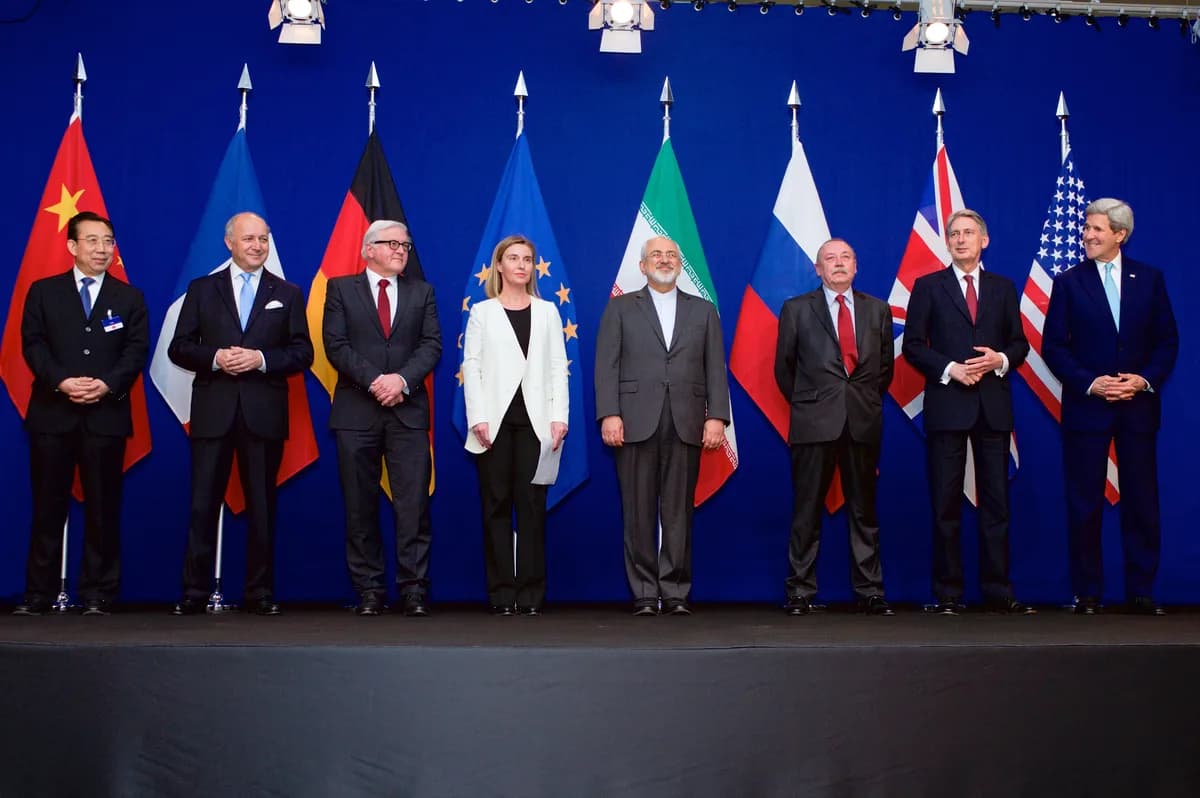
The talks in Islamabad, Pakistan, mediated by Pakistani Prime Minister Shehbaz Sharif, represent the first direct, high-level US-Iran engagement since 1979. Vice President JD Vance leads the American delegation alongside special envoy Steve Witkoff and senior advisor Jared Kushner. Iran's delegation is headed by Foreign Minister Abbas Araghchi and Parliamentary Speaker Mohammad Bagher Ghalibaf. The choice of Pakistan as venue reflects the sidelining of traditional mediators, Oman and Qatar, after both were targeted by Iranian strikes during the conflict.
But Rose argues that structural forces will hold the ceasefire together. "Both sides know that returning to war would put them into the same hellish position they just escaped." Trump's ultimatum on April 7, threatening that "a whole civilization will die tonight", was "almost certainly a bluff," because carrying it out "would have been incredibly costly for the United States and risky for its allies in the Gulf." Yet Iran "could not be sure Trump would cave," because "everyone knows Trump's 'madman' act isn't entirely an act."
The Israel complication
The sharpest threat to the ceasefire comes not from Washington or Tehran but from Jerusalem. Netanyahu declared on April 8 that the ceasefire does not cover Lebanon and immediately launched massive strikes against Hezbollah, killing over 250 people in a single day. Rose acknowledges that "the Israel angle will complicate matters significantly" but draws a historical parallel: "The same thing happened during endgame negotiations in the Korean War and the Vietnam War, when Seoul and Saigon favored harder lines than Washington." In both cases, the senior partner's strategic interests ultimately prevailed.
As a CFR analysis noted, the ceasefire's first days tested this proposition severely. Iran briefly re-closed the Strait of Hormuz in response to the Lebanon strikes, and US Navy destroyers entered the strait for the first time since the war began, a move Iran called a ceasefire violation.
The limits of what was achieved
Rose is clear-eyed about the conflict's ultimate outcome: "The war will have achieved Washington's minimal military goals but not its larger strategic ones. The fundamental issues dividing the belligerents will remain largely unresolved." He invokes the Israeli concept of "mowing the grass", periodic military operations that degrade threats without eliminating them, noting that American strategists have traditionally rejected this approach as strategically futile.
"Skillful diplomacy might conceivably use the talks to lay the foundations for a durable regional security structure," Rose writes. "This is the kind of thing Henry Kissinger excelled at. Yet with few Kissingers in evidence these days, it would be a mistake to raise expectations so high."
The Islamabad talks continued past midnight on April 11, with PBS NewsHour reporting that sessions lasted more than 15 hours. Iranian state media said "negotiations will continue despite some remaining differences." The ceasefire clock is ticking, the two-week window expires around April 22. Whether it produces a lasting framework or merely delays the next round of conflict may depend on whether both sides can accept the uncomfortable truth that Rose has identified: neither won, and neither can afford to fight again.